Why Digital Tools Often Break Down in Real Operations
Many digital tools look convincing in presentations. But when something deviates, people still argue, double-check spreadsheets, or wait for confirmation.
The problem is rarely usability alone. It is that most systems are built around features and screens — not around how responsibility, judgment, and escalation actually work.
When pressure rises, unclear interfaces create hesitation. And hesitation is where risk grows.
What We Build
We design digital tools that support how decisions are made — not how software is typically sold.
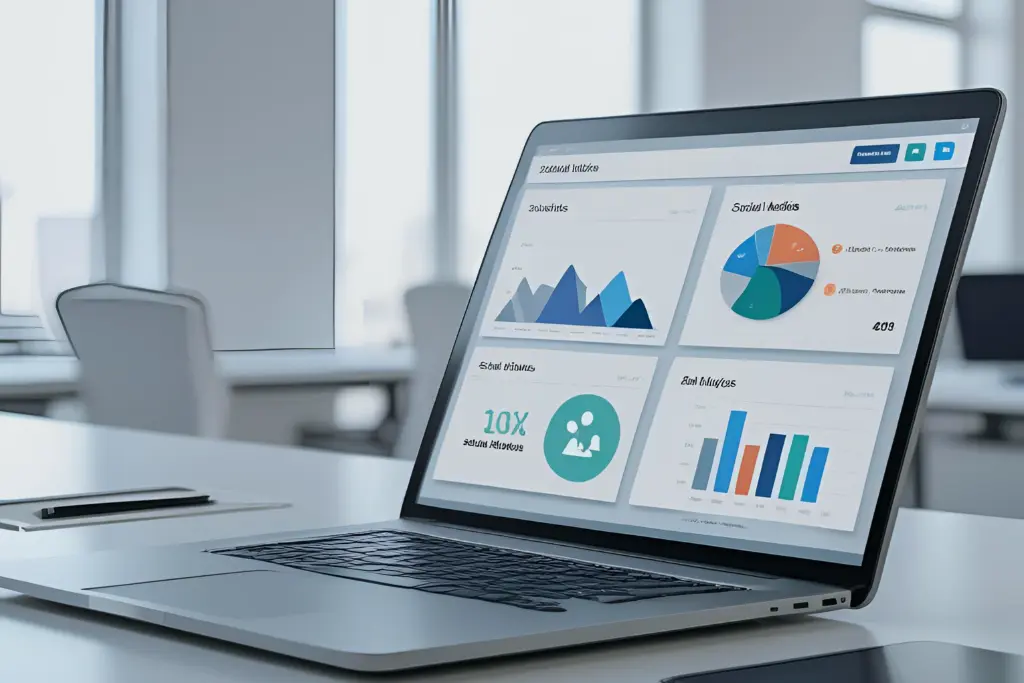
- Dashboards shaped around roles, not data categories
- Reports that stand up during audits and reviews
- Workflows that follow real escalation paths
- Interfaces that reduce debate when time is limited
How We Work
We do not begin with wireframes or feature lists.
We begin by understanding how work actually moves — who notices issues, who decides, who approves, and who must explain outcomes later.
From there, we design digital experiences that fit into existing routines, rather than forcing teams to adapt to software logic.